Ellis Walter · 31 August 2026
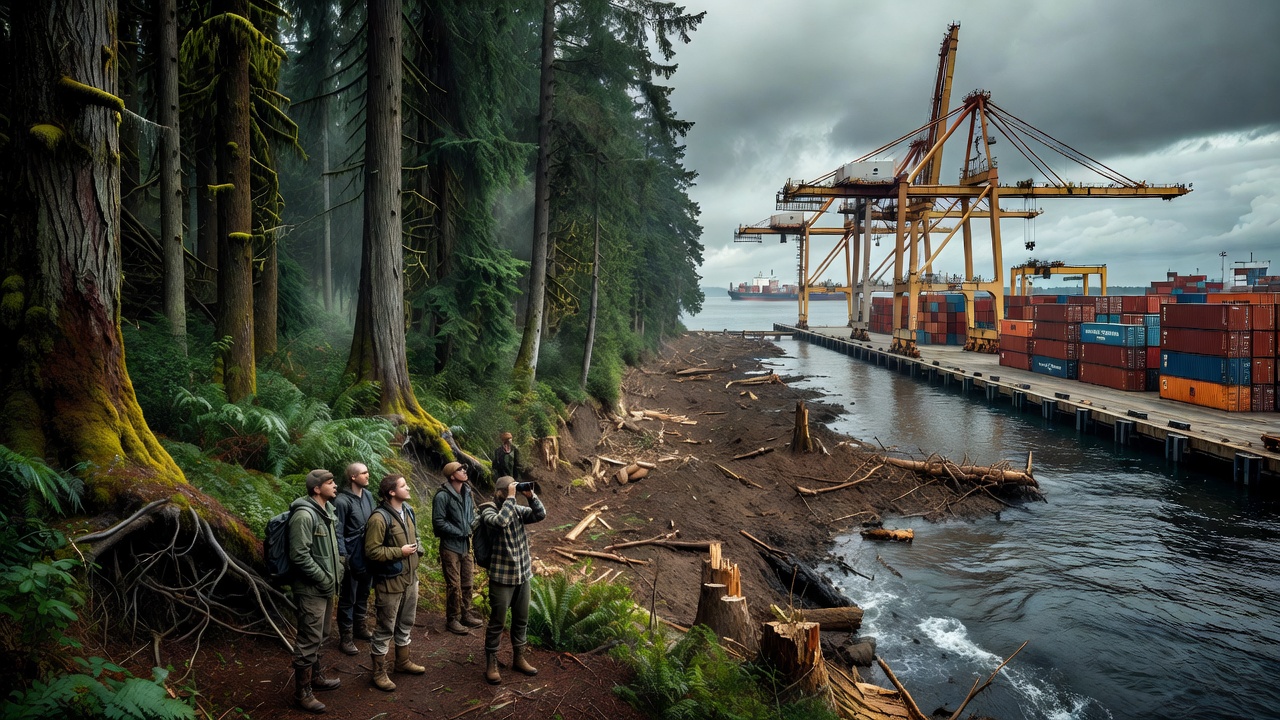
The proposed expansion of the harbor in Harborwald is raising alarms among ecologists due to its potential effects on the coastal forests. Officials plan to extend the docks and deepen channels to handle increased shipping traffic from international routes. This development is seen as vital for regional commerce but poses risks to the unique environment of Harborwald Coastal Forests.
Ecological Risks from Construction
Construction activities could lead to habitat fragmentation, affecting species such as the harbor seal and various migratory birds that rely on the forest edges. Increased sedimentation from dredging may smother seagrass beds and alter water flows essential for forest health. Research from similar coastal projects shows biodiversity losses of up to 25 percent in affected zones. Additionally, noise and light pollution from expanded operations might disturb nocturnal wildlife and nesting behaviors in the forests.
Climate change considerations add another layer, as rising sea levels combined with port infrastructure could accelerate erosion in unprotected forest areas. Conservationists emphasize the role of these forests in carbon sequestration and storm protection for nearby communities.
Responses from Officials and Activists
Port authorities maintain that environmental safeguards will be implemented, including buffer zones and monitoring programs to track ecological changes post-expansion. They cite economic benefits like job creation and improved infrastructure as outweighing temporary disruptions. Environmental activists, however, have launched petitions and organized protests, demanding a halt until independent studies confirm no net loss to the ecosystem. Some propose relocating the expansion to less sensitive areas or investing in green port technologies to reduce the footprint.
Community meetings have highlighted concerns over long-term sustainability, with residents noting the forests' importance for recreation and local identity. Experts suggest that with careful planning, including reforestation efforts and pollution reduction measures, a compromise might be achievable. The debate continues as regulatory reviews proceed, balancing growth with preservation of Harborwald's natural heritage. The ongoing discussions involve multiple stakeholders including scientists, business leaders, and government representatives who are exploring various scenarios for sustainable development in the region.