Klara Krause · 26 October 2026
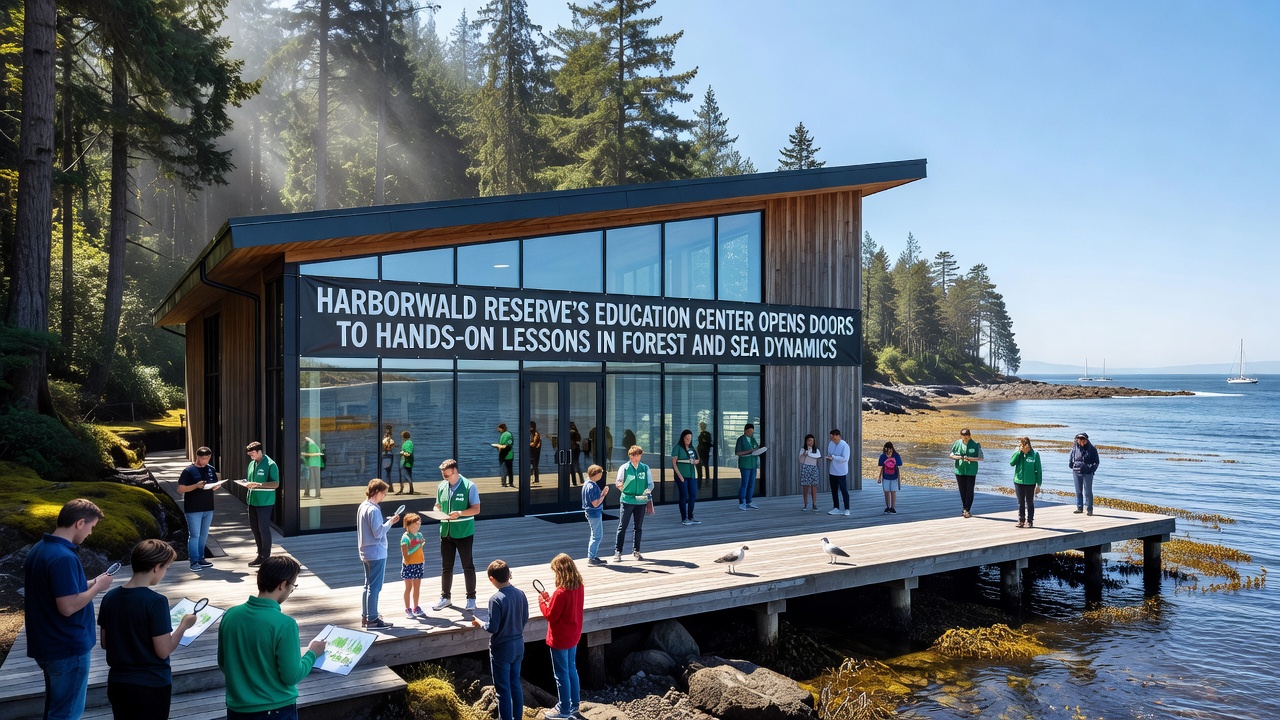
Harborwald Reserve's Education Center Opens Doors to Hands-On Lessons in Forest and Sea Dynamics
The Harborwald Reserve Education Center launched its public programs in October 2026, giving visitors direct access to interactive sessions that connect forest ecosystems with adjacent marine environments, and researchers note that such integrated approaches help illustrate how nutrient flows move between wooded slopes and tidal zones.
Program Structure and Daily Operations
Visitors participate in guided field exercises where they collect soil samples from forest edges, measure salinity levels at nearby shorelines, and track seasonal changes in both habitats using standardized monitoring kits, while instructors from the reserve staff demonstrate how data from these activities align with long-term records maintained by regional environmental agencies. Sessions run several times each week and accommodate school groups alongside individual participants, with schedules adjusted to match tidal patterns and daylight availability throughout the year.
Equipment stations inside the center allow participants to examine specimens under microscopes and compare growth patterns from tree cores with algae samples gathered from intertidal zones, and these comparisons reveal connections between terrestrial carbon storage and coastal productivity that studies from multiple institutions have documented over recent decades.
Integration of Field Data and Research Partnerships
Staff coordinate with monitoring networks that supply standardized protocols for measuring water quality and forest canopy density, enabling participants to contribute observations that feed into broader datasets used by scientists tracking regional environmental trends. One ongoing project pairs center visitors with automated sensors placed along established transects, where readings update every fifteen minutes and transmit directly to a shared database accessible to partner organizations.
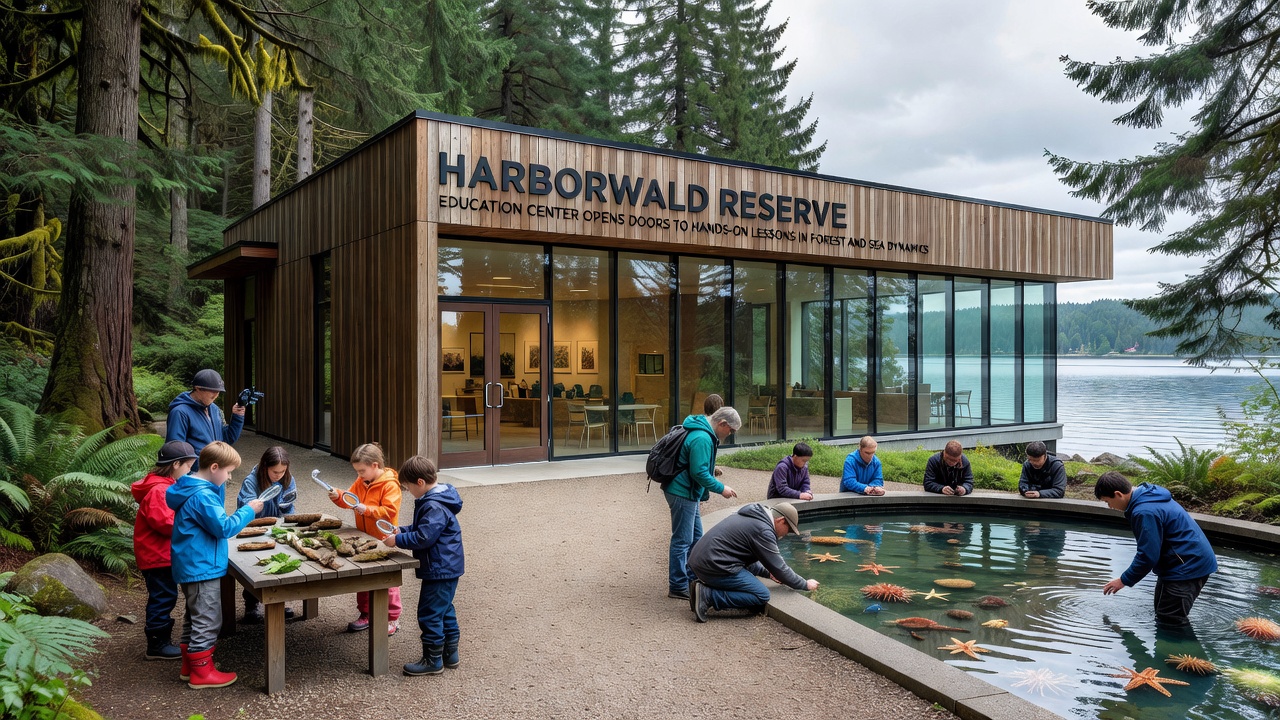
Training modules cover basic statistical methods for interpreting paired forest and marine datasets, and instructors reference reports from the European Environment Agency alongside findings published by the Commonwealth Scientific and Industrial Research Organisation to show how similar methods apply across different geographic contexts. Participants practice entering their own field notes into digital templates that automatically flag outliers for later review by reserve ecologists.
Community Access and Scheduling Details
Advance registration occurs through the reserve website, where calendars list available dates and required preparation such as appropriate footwear for muddy trails or waterproof layers for shoreline work, and group sizes stay limited to maintain safety ratios during off-trail segments. Local schools receive priority slots during term time, while public sessions fill remaining openings on a first-come basis.
Materials provided include waterproof field notebooks, identification guides for common species, and portable testing kits calibrated against reference standards supplied by national laboratories, ensuring consistency across sessions. Participants return all reusable equipment at the end of each program so staff can perform maintenance and recalibration before the next group arrives.
Supporting Infrastructure and Resource Allocation
The education center building incorporates solar panels and rainwater collection systems that reduce operational demands on the local grid, while indoor classrooms feature large windows oriented to provide natural light during daytime programs. Storage areas hold additional sampling gear and reference specimens collected under permit from designated zones within the reserve boundaries.
Funding for the center derives from a combination of government allocations and grants awarded to support environmental literacy initiatives, with annual reports detailing expenditure on equipment, staff training, and maintenance of access paths that connect the facility to both forest interiors and coastal observation points.
Conclusion
Records from the first months of operation show steady attendance across age groups, with repeat visitors often returning to complete follow-up observations that extend initial lessons on nutrient cycling and habitat linkages. The center continues to refine its offerings based on feedback collected through post-session forms and maintains alignment with protocols used by international monitoring programs focused on coupled terrestrial-marine systems.